Holding time below and above the surface: Cesium clocks in naval applications
When GNSS signals disappear, naval systems rely on stable onboard timing to stay coordinated. Here’s how cesium clocks support long-duration holdover in demanding maritime operations.
Anil Kumar Reddy
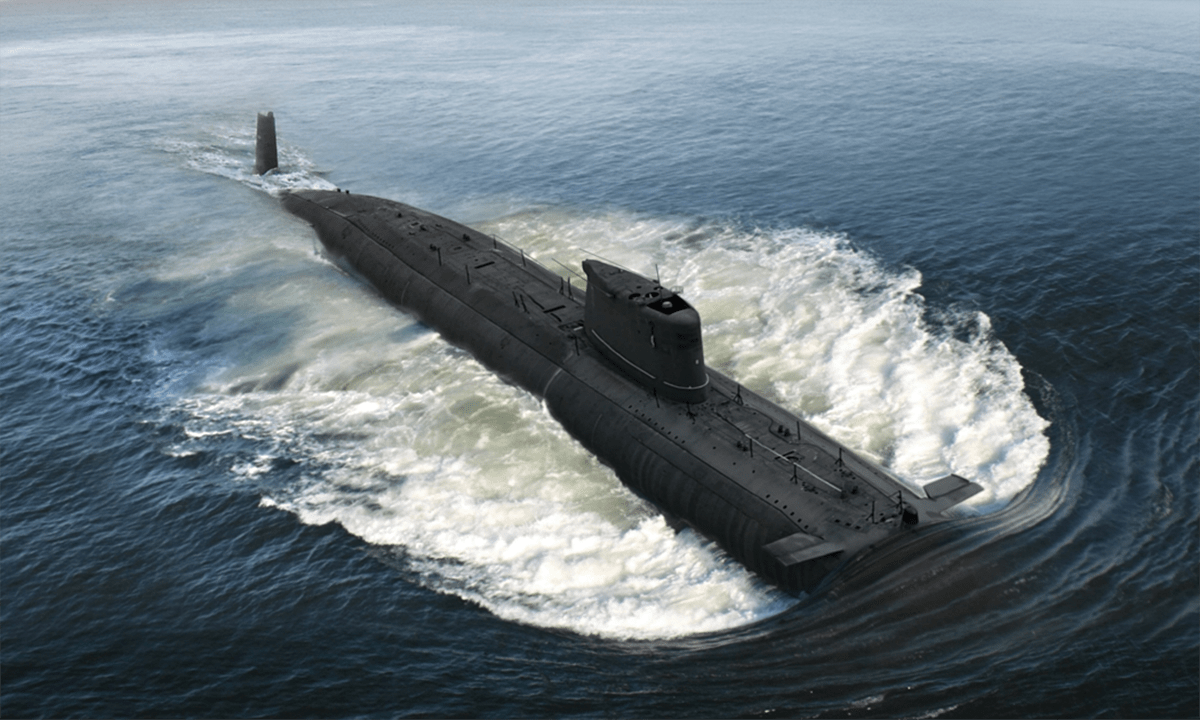
While satellite navigation transformed maritime operations, naval systems have always been designed with the assumption that GNSS availability cannot be guaranteed. Submarines, surface vessels and deployed task groups routinely operate for extended periods independent of external signals due to submersion, electronic warfare conditions, emission control (EMCON), deliberate denial or mission requirements.
Modern naval missions are designed to operate in environments where visibility is limited, communications are constrained and satellite signals are unavailable or denied. In these conditions, navigation resilience is defined by the ability to maintain a stable and trusted time reference across onboard systems, supported by high-stability local atomic clocks.
GNSS: Powerful but vulnerable
Military GNSS modernization continues to improve resilience. Encrypted and authorized signals such as M-Code, Galileo Public Regulated Service (PRS) and alternative sources such as Satellite Time and Location (STL) strengthen trusted positioning and timing when signals are available.
However, naval operations must maintain full mission capability during extended periods of GNSS denial, including:
- Subsurface operations with no satellite visibility
- EMCON operations where external signals cannot be relied upon
- Active jamming and spoofing in contested environments
- Polar and high-latitude regions where GNSS performance can be degraded
When external references disappear, navigation systems must rely entirely on onboard stability. At that point, the defining factor of system performance shifts from signal availability to the quality of the onboard reference.
Signal dependence and timing continuity
Modern naval navigation relies heavily on inertial navigation systems (INS) to maintain positioning in GNSS-denied environments.
INS performance degrades over time due to cumulative sensor errors. While this behavior is inherent to inertial systems, stable and precise timing plays an important role in supporting overall system coordination.
Precise time enables:
- Accurate sensor sampling and synchronization
- Deterministic sensor fusion across navigation systems
- Reliable timestamping of mission data
- Stable coordination between navigation, radar, EW and communications subsystems
When GNSS disciplining is lost, onboard timing becomes critical for maintaining alignment across systems. Rather than correcting navigation directly, it ensures that all subsystems operate against a consistent and stable time reference.
Holdover capability is defined by how long and how accurately a system can maintain alignment to UTC without external reference.
With Oscilloquartz optical pumping cesium clocks, holdover performance can reach levels such as maintaining alignment within 100ns for up to 150 days, depending on system architecture.
Cesium as a stable frequency reference for onboard timing
Cesium atomic clocks provide a highly stable frequency reference that operates independently of external signals.
In practice, this reference is used by the onboard grandmaster to maintain accurate alignment to UTC during GNSS outages.
Rather than replacing GNSS or authorized signal services, cesium clocks complement resilient PNT architectures by supporting onboard timing systems during outages or intentional disruptions.
In naval platforms, cesium timing supports:
- Maintaining alignment to UTC during GNSS denial
- Preserving synchronization across distributed ship systems
- Supporting consistent timing for sensor fusion and mission systems
- Reducing the magnitude of time correction required when GNSS signals return
This approach aligns with long-standing naval design principles:
- Operational independence
- Predictable system behavior
- Mission endurance
Unlike satellite-based signals, onboard atomic clocks are inherently resistant to jamming, spoofing and signal obstruction. As a self-contained reference, they continue supporting stable system timing, regardless of external conditions.
Maintaining holdover within 100ns for up to 150 days enables naval systems to sustain coordinated operations long after GNSS is no longer available.
Application impact in naval operations
The value of cesium timing becomes most apparent in operational scenarios where external references are unavailable:
Subsurface navigation: Submarines operating below the surface can maintain synchronized system operation for extended durations, supporting navigation and mission systems during long deployments.
GNSS-denied surface operations: In contested environments, ships can continue operating with stable system timing and synchronization, independent of external signals.
EMCON missions: During emission-controlled operations, onboard timing systems enable fully autonomous operation while preserving platform stealth.
Sensor fusion and combat systems: Stable timing supports consistent coordination across integrated systems such as radar, electronic warfare and communications.
GNSS reacquisition: When GNSS signals return, maintaining alignment to UTC during holdover helps reduce the magnitude of corrections required for re-synchronization across onboard systems.
Designed for operational environments
Naval timing systems must deliver stable performance in demanding conditions, including:
- Shock and vibration
- Temperature variation
- Continuous motion
- Limited maintenance access
- Multi-year operational lifecycles
Low-SWaP cesium clocks designed for embedded deployment enable atomic timing performance to be integrated directly into naval platforms, supporting both hardened shipboard installations and deployable military systems.
Conclusion
As naval operations evolve toward increasingly contested and GNSS-denied environments, the ability to maintain accurate and trusted time onboard is becoming a defining requirement.
Cesium-based timing supports this transition by providing a stable frequency reference and long-duration holdover within onboard timing systems.
In modern maritime operations, system coordination and resilience depend on time.
Future articles will explore how this approach is applied in operational deployments, including how cesium-supported timing architectures maintain performance during extended GNSS outages.
Subscribe to our newsletter or speak with a member of our team to learn which cesium clock is right for your installation.